Heel Pain Treatment in Wimbledon
Expert Care at Wimbledon Chiropractic and Sports Injury Clinic
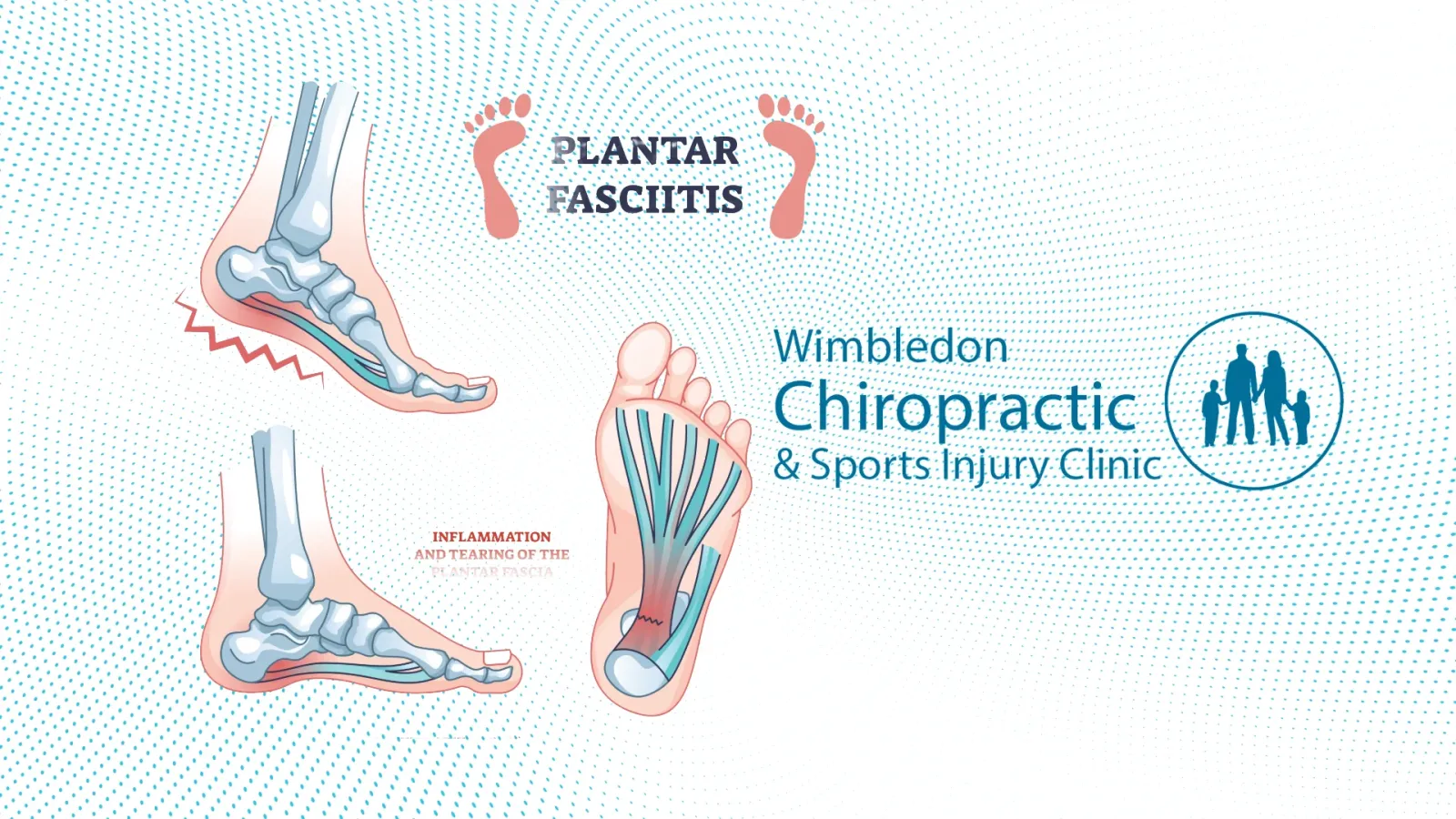
Heel pain is rarely random. It typically develops due to repetitive load, biomechanical imbalance, or tissue irritation over time.
1. Plantar Fasciitis
The most common cause of heel pain. This involves irritation or degeneration of the plantar fascia — the thick band of connective tissue running from the heel to the toes.
Typical symptoms:
-
Sharp pain under the heel
-
Worse first thing in the morning
-
Pain after prolonged sitting
-
Tenderness at the medial heel
2. Insertional Achilles Tendinopathy
Pain at the back of the heel where the Achilles tendon attaches.
Symptoms include:
-
Stiffness in the morning
-
Pain during uphill walking or running
-
Swelling or thickening near the tendon attachment
3. Heel Fat Pad Irritation
The heel’s natural cushioning can become inflamed or thin over time.
Symptoms:
-
Deep, bruise-like pain in the centre of the heel
-
Worse on hard surfaces
4. Biomechanical & Postural Factors
Flat feet, excessive pronation, limb-length differences, and altered gait patterns can increase stress on the heel structures.
At Wimbledon Chiropractic and Sports Injury Clinic, we frequently see heel pain linked to broader biomechanical patterns — not just isolated foot problems.
1. Detailed Biomechanical Assessment
Heel pain is rarely “just the heel.”
We assess:
-
Foot posture and arch mechanics
-
Ankle mobility
-
Calf tightness and soleus restriction
-
Knee alignment
-
Pelvic balance and spinal posture
Where appropriate, we utilise objective tools such as PostureScreen analysis and, if clinically indicated, in-clinic X-ray referral pathways or MRI referral for complex cases.
This ensures that the heel pain treatment at our clinic in Wimbledon is specific, not generic.
2. Focused Shockwave Therapy (Advanced Alternative Treatment)
One of the most effective modern treatments we offer is Focused Shockwave Therapy (FSWT).
Unlike radial shockwave, focused shockwave allows us to:
-
Target deeper degenerative tissue
-
Stimulate local blood flow
-
Promote cellular regeneration
-
Break down chronic fibrotic adhesions
-
Reduce long-standing inflammation
For chronic plantar fasciitis and insertional Achilles tendinopathy, focused shockwave has become a key component of our management protocol.
Many patients searching for heel pain treatment Wimbledon are specifically looking for shockwave therapy — and it is one of our clinic’s specialist services.
3. Chiropractic Care for Heel Pain
Heel pain is often driven by altered lower limb biomechanics.
Through precise chiropractic adjustments, we may address:
-
Restricted ankle joints
-
Subtalar dysfunction
-
Tibial rotation imbalance
-
Pelvic asymmetry
-
Lumbar mechanical contributions
Restoring joint motion can reduce abnormal load through the heel and improve overall gait efficiency.
This integrated approach distinguishes Wimbledon Chiropractic and Sports Injury Clinic from clinics that only treat the painful area without addressing contributing factors.
4. Targeted Soft Tissue Therapy
Chronic heel pain frequently involves tight:
-
Gastrocnemius
-
Soleus
-
Tibialis posterior
-
Plantar fascia
We utilise advanced soft tissue techniques to reduce excessive tension and restore tissue compliance.
When calf tightness drives plantar overload, releasing the posterior chain can significantly reduce heel strain.
5. Orthotic & Load Management Strategies
Not all heel pain requires orthotics — but in certain cases, they are valuable.
We assess whether:
-
A flex plate orthotic may reduce strain
-
Temporary heel lifts are appropriate
-
Shock-absorbing modifications are beneficial
Recommendations are based on objective findings, not generic advice.

Book Your Heel Pain Assessment Today
📍 Wimbledon Chiropractic and Sports Injury Clinic
📞 Call our reception team to arrange your appointment
🌐 Book online via our website
Let us help you return to pain-free walking, running, and daily life.
Professional. Precise. Results-focused heel pain treatment in Wimbledon.